
Squier by Fender Debut Stratocaster Review: The Perfect First Electric Guitar?
Our Squier Debut Stratocaster review explores tone, comfort, and value – the perfect first electric guitar inspired by Fender’s iconic design.

With hundreds of models, body styles, and pickup configurations available, it’s easy to get lost in the details. Should you go for single-coils or humbuckers? A Strat or a Les Paul? Does the type of wood actually make a difference?
In this guide, we’ll walk you through everything you need to know before buying an electric guitar. Whether you’re chasing your first tone or building a collection, we’ll help you make the right choice without the jargon.


Before anything else, think about how you’ll actually use your guitar. Your goals and playing environment will determine what kind of instrument suits you best.
If you’re a beginner, focus on playability, tuning stability, and comfort. You’ll want a guitar that feels easy to play, stays in tune, and sounds good through a basic practice amp.
For intermediate or advanced players, tone versatility and build quality become more important. Gigging musicians might prefer something durable with reliable hardware, while studio players often look for guitars that record cleanly and offer flexible tonal options.
If you mostly play rock or metal, you’ll likely prefer humbuckers for thicker, more powerful tones. Blues, funk, and pop players often lean towards single-coils for their brightness and clarity.
Electric guitars come in several main body styles, each influencing tone, weight, and comfort.
Solid Body: The most common type, made from solid wood. They’re versatile, sustain well, and handle distortion easily. Great examples include the Yamaha Pacifica, Fender Stratocaster, and Gibson Les Paul.
Semi-Hollow Body: These have internal chambers that add warmth and resonance. They produce smoother, rounder tones, often favoured by blues and jazz guitarists.
Hollow Body: Fully hollow and known for their rich, resonant sound. Perfect for jazz and vintage tones, though they can feedback at higher volumes.
Pickups are the heart of your guitar’s tone, capturing string vibrations and shaping how your guitar sounds through an amp.
Single-Coil Pickups: Bright, sharp, and clear. They’re great for clean tones and crisp rhythm parts, but can pick up a little electrical hum.
Humbucker Pickups: Warm, powerful, and full-bodied. They cancel unwanted noise (hence the name “hum-bucker”) and excel in rock, hard rock, and metal.
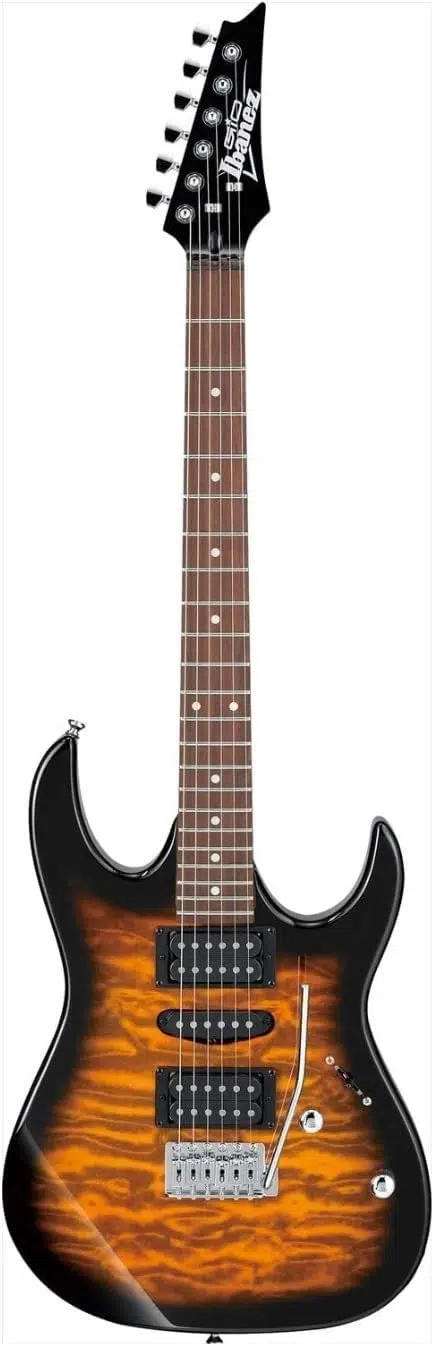
HSS or HSH Configurations: These combine humbuckers and single-coils, giving you the best of both worlds – bright cleans and powerful leads.
If you want maximum tonal flexibility, look for a guitar with a coil-split function, which lets you switch a humbucker to a single-coil sound at the pull of a knob.
The neck of a guitar affects both playability and comfort. The main neck profiles include:
C-shape: Rounded and comfortable – the most common and versatile neck profile.
D-shape: Slightly flatter for faster playing, often found on modern rock guitars.
V-shape: Vintage-style necks that suit players who like to wrap their thumb over the fretboard.
Scale length also changes how the strings feel. Shorter scales (like a Les Paul) have looser tension and warmer tone. Longer scales (like a Stratocaster) feel snappier and brighter.
If possible, try a few neck shapes in person – the right fit makes a huge difference in how natural the guitar feels.
Hardware can make or break your playing experience.
Fixed Bridge: Simple, stable, and easy to maintain. Great tuning stability, perfect for beginners or players who don’t need a tremolo arm.
Tremolo (Vibrato) Bridge: Lets you bend notes and add subtle pitch effects. Popular on Strat-style guitars but requires slightly more setup to maintain tuning stability.
Also pay attention to tuners and nut quality – reliable components keep your guitar in tune longer and make string changes easier.
The wood a guitar is made from affects tone, resonance, and weight.
Alder: Balanced and bright – often found on Strat-style guitars.
Mahogany: Warm, rich, and full-bodied – common in Les Paul-style models.
Basswood: Lightweight and neutral, great for beginner or modern guitars.
Maple: Bright and snappy, often used for necks or tops.
While wood type contributes to tone, the biggest factors are pickups, setup, and construction quality – especially at beginner to mid-range levels.
Electric guitars range from affordable entry-level options to high-end professional instruments.
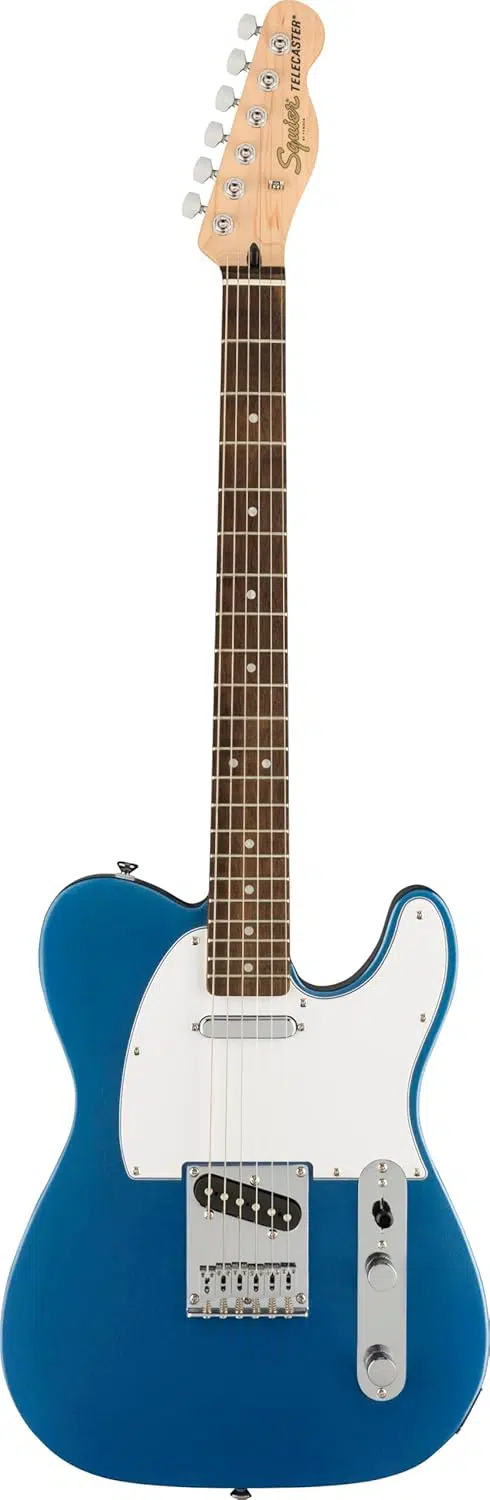
Under £250: Great for beginners. Look for reliable, playable models from brands like Yamaha, Epiphone, or Squier.
£250–£600: Excellent mid-range guitars with upgraded pickups and hardware. Perfect for gigging or recording.
£600 and up: Premium instruments offering top-tier components, craftsmanship, and long-term reliability.
The good news? Modern manufacturing means even affordable guitars today can sound and feel fantastic.



Yes – an electric guitar needs an amplifier to produce sound, though headphone amps or small practice amps are great for beginners.
Not necessarily. Playability and comfort matter more than price. Even affordable models from trusted brands can sound amazing.
If buying online, stick with well-reviewed sellers and reputable brands.
Absolutely. Pickups have the biggest impact on tone after your playing style.
Choosing the right electric guitar isn’t about chasing specs – it’s about finding an instrument that feels comfortable, inspires you to play, and suits your sound.
Start with your goals, choose the pickup style and neck shape that match your music, and go for a reliable brand with solid hardware. Whether it’s your first guitar or your fifth, the right choice will keep you inspired every time you plug in.


